Shutterstock
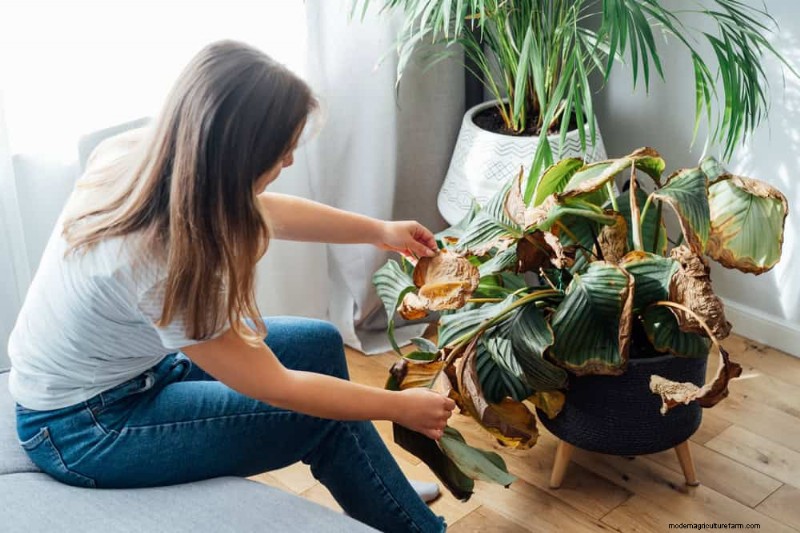
Reviving a dying Calathea can feel daunting, but with a methodical approach it’s entirely achievable. These striking, colorful plants demand precise care, and even a minor mistake can cause visible distress. The following seven steps outline a proven, science‑backed routine to return your Calathea to its vibrant health.
Steg 1:Förfina ditt bevattningsschema
Shutterstock
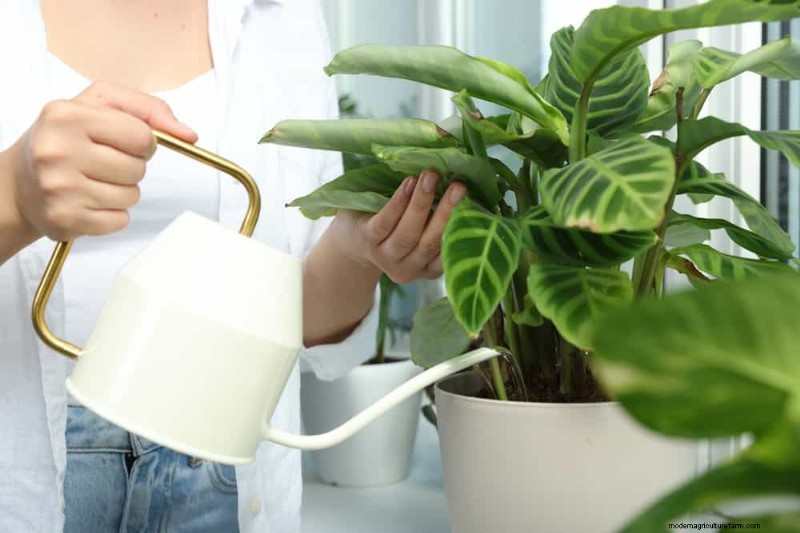
Calatheas are highly sensitive to both over‑watering and under‑watering. The key is to keep the soil consistently moist—never soggy, never bone dry. Check the top inch of soil with your finger; if it feels dry, it’s time to water. Use filtered or distilled water, as tap water’s chlorine and other chemicals can damage roots and discolor leaves. A moisture meter can help maintain the right balance.
Hur ofta ska jag vattna en Calathea?
Shutterstock
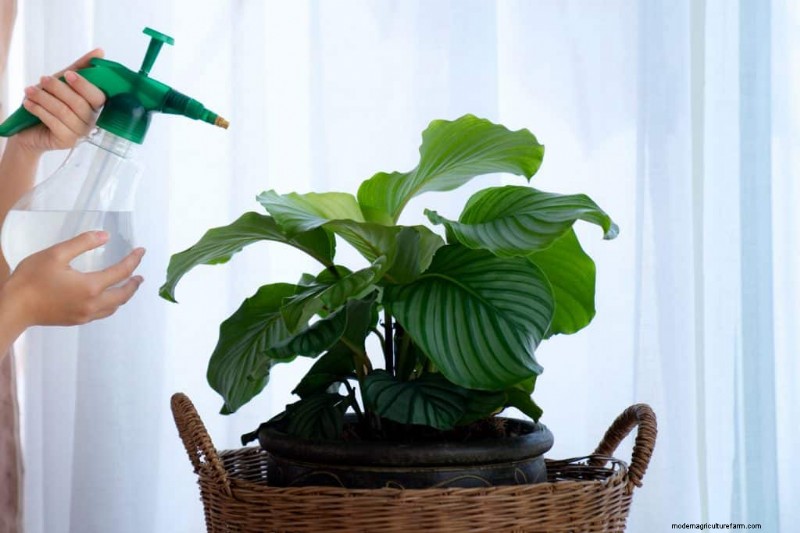
In general, water every 5‑7 days, adjusting for season and environment. During spring and summer, the plant may need more frequent watering; in cooler months, allow the soil to dry slightly between sessions. Consistency is vital—establish a routine and monitor the plant’s needs closely.
How to Rescue an Over‑Watered Calathea
Shutterstock
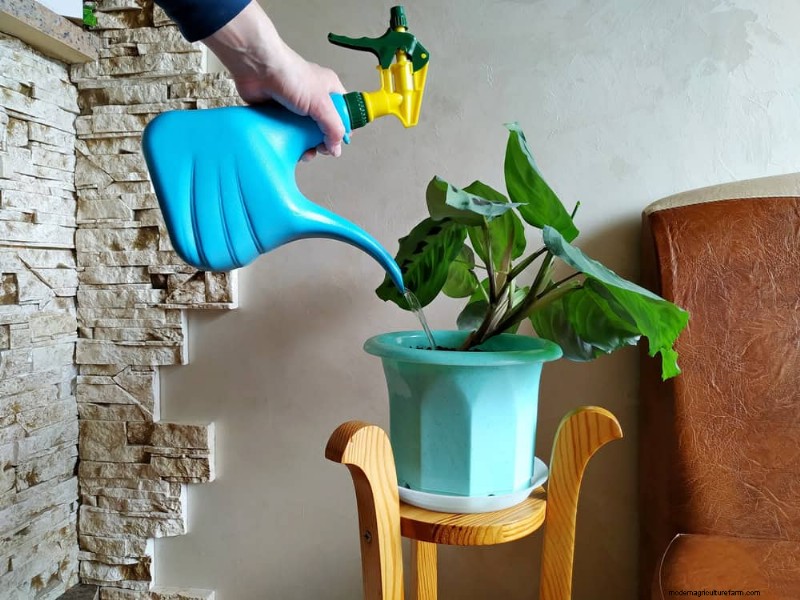
Agera snabbt för att förhindra rotröta. Remove the plant from its pot, inspect the roots—healthy roots are white and firm, while rotten ones appear mushy and dark. Trim away affected roots with sterilized scissors. Let the plant dry out a bit on a clean surface, then repot into fresh, well‑draining soil and a pot with adequate drainage holes. Return to a conservative watering routine, only when the top inch feels dry.
Steg 2:Undersök löven
Shutterstock
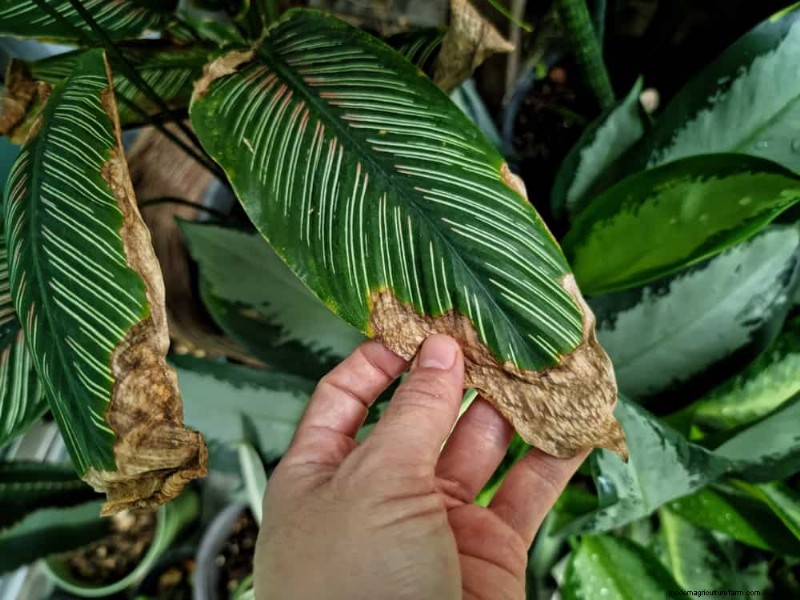
Leaf condition offers clues to underlying issues. Bruna kanter signalerar ofta låg luftfuktighet; curling leaves usually mean the plant is under‑watered. Yellowing typically indicates over‑watering or poor drainage. Prune damaged or dead leaves with sterilized scissors to redirect energy to healthy foliage. Observe post‑pruning changes and adjust care accordingly.
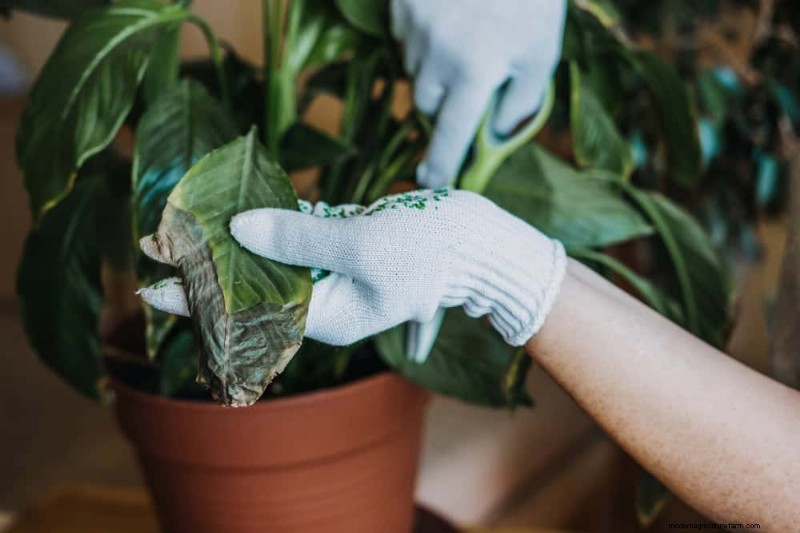
Hur man klipper döda löv från en Calathea
Shutterstock
Identify leaves that are fully brown, yellow, or curling and no longer contribute to vitality. Use clean, sharp scissors or pruning shears to cut at the base of the leaf stem, close to the soil line. Sterilize tools before and after trimming to prevent disease spread.
Steg 3:Höj luftfuktigheten
Shutterstock
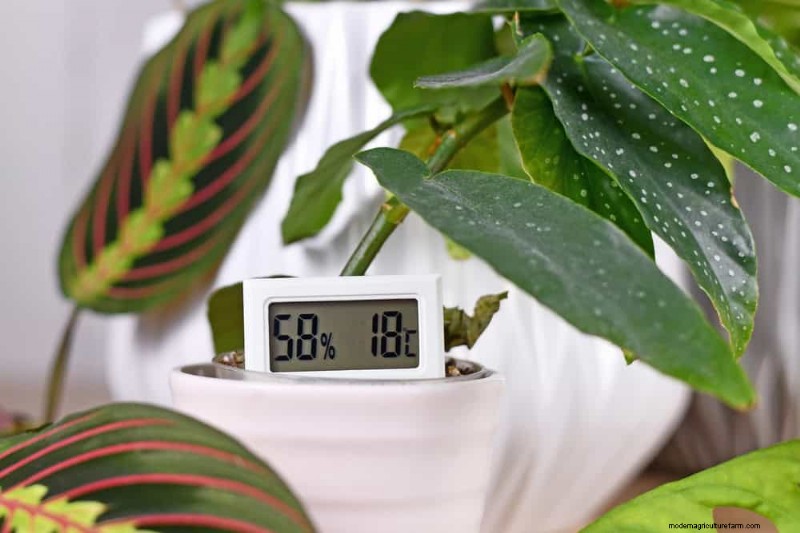
Native to tropical rainforests, Calatheas thrive at 50‑70% relative humidity. A small humidifier is the most effective solution. If that’s not available, group plants together or place the pot on a pebble tray with water—ensure the pot’s base stays dry. Light misting helps, but avoid over‑misting to prevent fungal growth. Use a hygrometer to keep humidity consistent.
Step 4:Optimize Light Conditions
Shutterstock
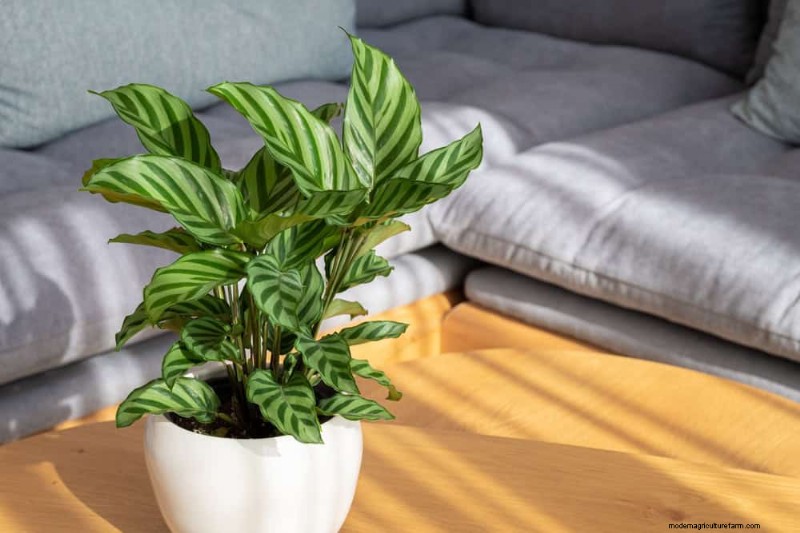
Calatheas kräver starkt, indirekt ljus. Direct sun can scorch leaves, while insufficient light dulls colors and slows growth. Position the plant near an east‑facing window, filtering strong rays with sheer curtains if necessary. During darker months, supplement with grow lights to mimic dappled natural light.
Steg 5:Potera om när det behövs
Shutterstock
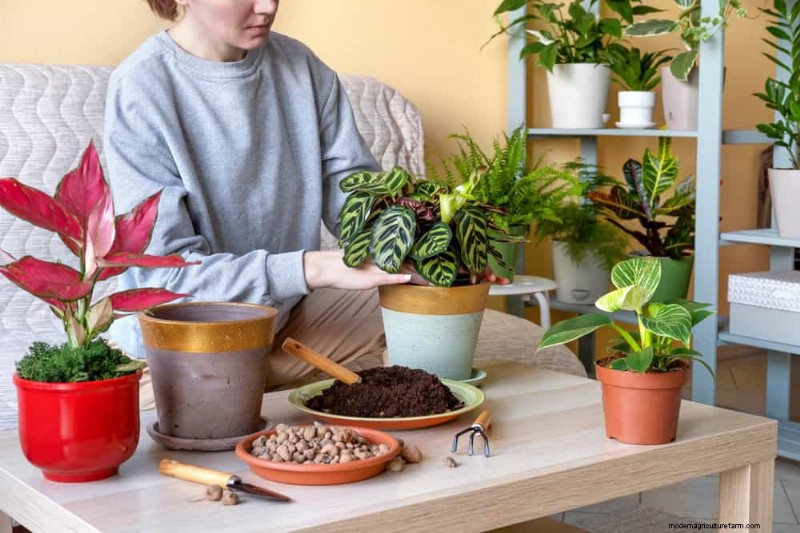
Roots can become cramped after a year or more in the same pot. Look for roots protruding from drainage holes or circling the pot’s interior. If you spot these “growth‑to‑death” signals, repot in a pot 1‑2 inches larger in diameter. Use a high‑quality, well‑draining mix—ideally a blend of peat, perlite, and coco coir—to retain moisture without waterlogging. Repotting provides fresh nutrients and space for healthy growth.
Steg 6:Bibehåll stabila temperaturer
Shutterstock
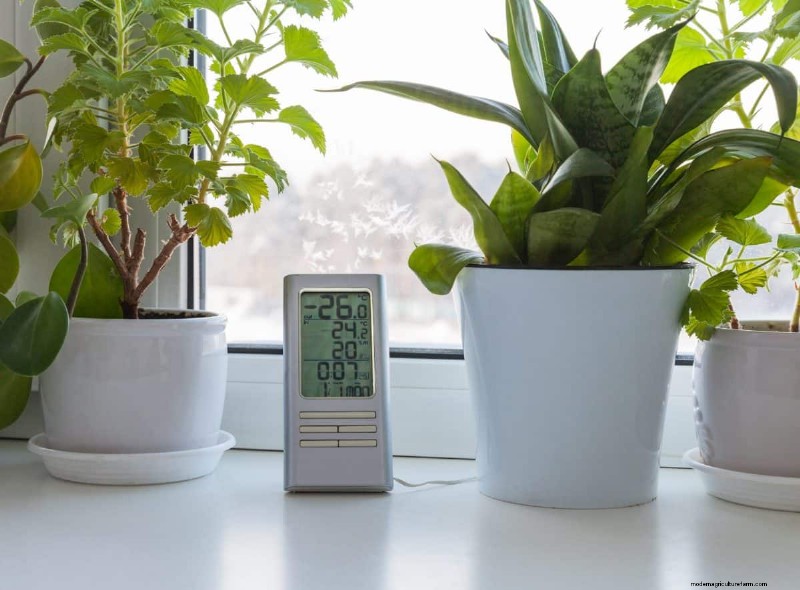
Keep your plant in a room 65‑80°F (18‑27°C). Avoid drafts, air‑conditioning vents, or radiators, as these can cause stress. Sudden temperature changes lead to leaf damage or drooping—known as “brittle‑ended” foliage. If your home drops below 65°F, consider using a heat mat or moving the plant indoors.
Steg 7:Inspektera för skadedjur
Shutterstock
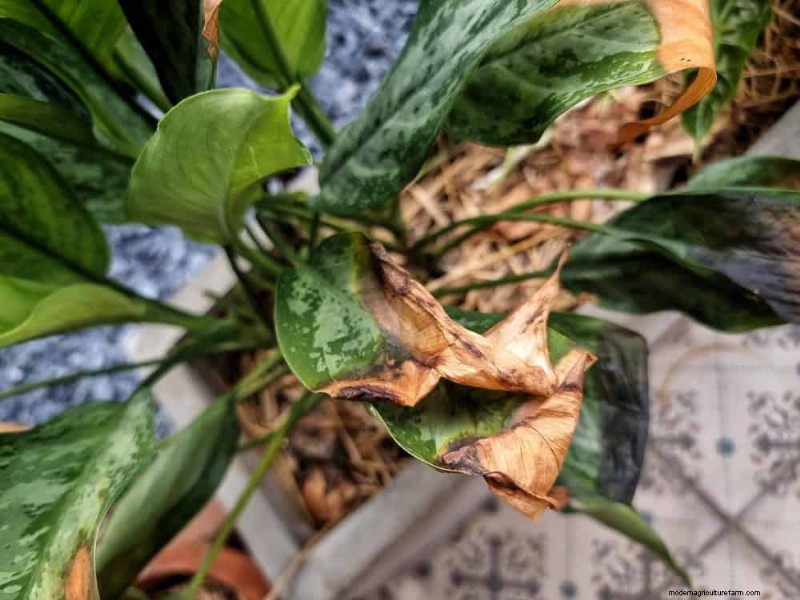
Common pests like spider mites, mealybugs, and aphids thrive in warm, humid conditions. Inspect leaves, especially the undersides, for webs, tiny dots, or sticky residue. If pests are detected, isolate the plant immediately to prevent spread.
Hantera skadedjur på en Calathea
Shutterstock
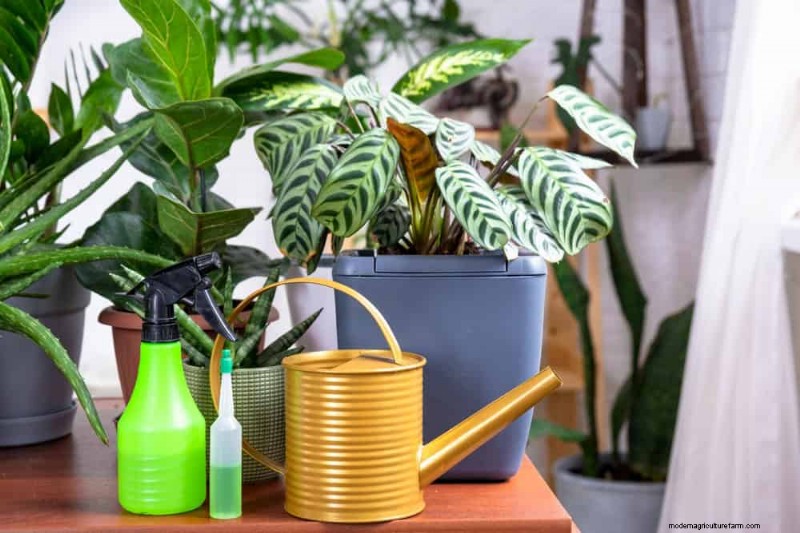
Use insecticidal soap, neem oil, or diluted alcohol solutions for quick, effective treatments. Applicera på alla drabbade bladytor. Repeat applications every few days until pests are eliminated. Maintain good hygiene and proper humidity to keep the plant pest‑free long term.
Rejuvenating Your Calathea
Shutterstock
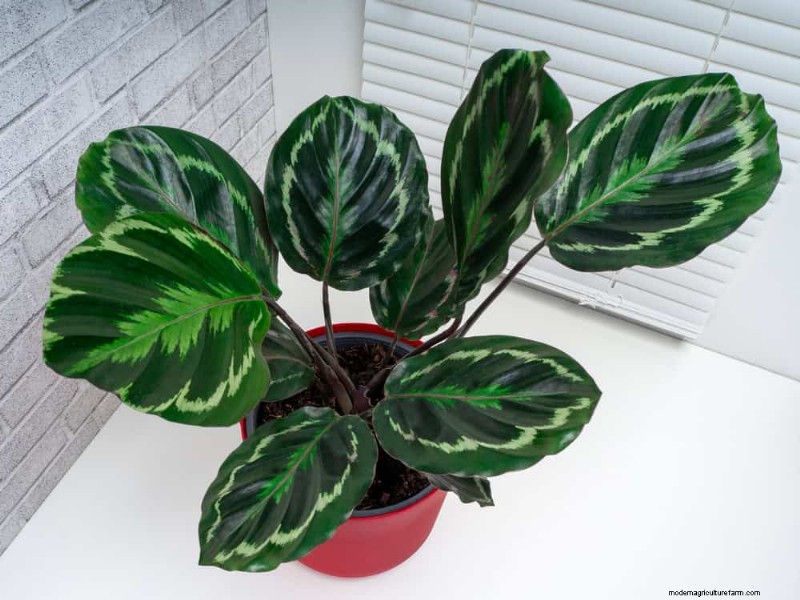
Reviving a struggling Calathea demands patience, consistency, and close observation. Start by correcting watering, humidity, light, and temperature. Monitor leaf responses, adjust as needed, and stay vigilant for pests. With disciplined care, your Calathea can once again become a stunning centerpiece, showcasing its vibrant patterns and lush foliage.
Skrivet av
Shane Desuasido
Shane Desuasido är en innehålls- och copywriter med över 10 års erfarenhet av att skriva om trädgårdsskötsel och trädgårdsskötsel. Her background in e‑commerce and social media management enhances her ability to create engaging, practical guides. She is also a passionate advocate for sustainable gardening practices.
Möt GardenTabs-teamet →

Redaktionell tillsyn
GardenTabs innehåll har granskats av Steve Snedeker, en erfaren trädgårdsmästare med årtionden av praktisk erfarenhet av landskapsarkitektur.